Vital Signs: A Five-Minute Health Check for the Exchange Holding Your Crypto

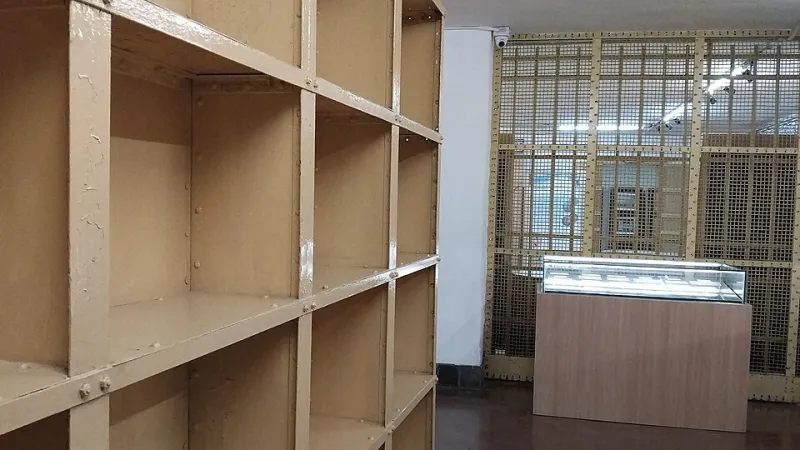
Photo: Xavier Badia Castellà, CC BY-SA 3.0, via Wikimedia Commons
Crypto exchanges almost never collapse out of nowhere. Like a patient whose lab work goes bad long before symptoms appear, troubled platforms drop signals everywhere—in their order books, their Twitter feeds, and their executive LinkedIn pages. The problem is that most traders aren't looking.
We looked. After digging through the post-mortems of FTX, Voyager, BlockFi, and a handful of smaller failures, a pattern emerges: the warning lights flash for weeks or months before the doors close. Here's how to run a five-minute health check on wherever your coins currently live.
The Withdrawal Whisper Test
Start with the simplest diagnostic: try moving a small amount of crypto out. Not a huge sum—just enough to confirm the pipes work. Delays, surprise "maintenance windows," or new verification hurdles on withdrawals are the single most reliable distress signal in the industry.
When FTX froze withdrawals in November 2022, it wasn't the beginning of the end. It was the end. The real trouble had been festering for years while customers saw nothing. Platforms under liquidity strain typically slow-walk withdrawals first, hoping to buy time. If your exchange suddenly needs 72 hours to send you $200 of Bitcoin, treat that as a fire alarm, not an inconvenience.
Watch the Order Book Get Skinny
Liquidity is the lifeblood of any trading venue, and it drains visibly before a collapse. Pull up a mid-cap trading pair on the exchange and compare the bid-ask spread to what you'd see on Coinbase or Kraken for the same asset.
A few things to note:
- Widening spreads. When market makers pull back, the gap between buy and sell prices stretches. A spread that doubles over a month is a red flag.
- Thin top-of-book depth. If a $5,000 market order would move the price 1%+, real traders have already left.
- Quiet delistings. Healthy exchanges announce delistings with notice periods. Dying ones let pairs silently rot or remove them overnight.
Market makers have risk desks too. When they sense trouble, they cut lines to a platform before the public knows anything. Their exit is your early warning.
Follow the Executive Exits
Corporate flight is easier to track than order flow. Check the exchange's leadership page against their LinkedIn profiles. Has the CFO quietly moved on? Did the head of compliance update their title to "open to opportunities"? In the run-ups to several past failures, senior departures—especially in finance and legal roles—preceded public announcements by months.
Also watch for the opposite problem: leadership that goes radio silent. When a CEO who used to post weekly suddenly hasn't appeared in a month, that's data.
The Proof-of-Reserves Reality Check
After FTX, nearly every exchange scrambled to publish proof-of-reserves reports. Some are meaningful; most are marketing. A credible audit comes from a third-party accounting firm and covers both assets and liabilities. A PDF of wallet balances proves nothing if the platform owes more than it holds.
Ask two questions: Is the report attested by an actual firm? Does it include liabilities? If the answer to either is no, you're reading a brochure, not an audit.
The Case Study Pattern
Look at the failures side by side and the sequence repeats:
- Voyager — exposed to a bankrupt counterparty (Three Arrows Capital), froze withdrawals, then filed for Chapter 11 within days.
- FTX — customer funds quietly lent to an affiliated trading firm; a leaked balance sheet triggered a bank run it couldn't survive.
- BlockFi — contagion from FTX hit an already-stressed balance sheet; withdrawals paused within a week.
In each case, counterparties and insiders saw the stress long before customers did. The lesson isn't to panic at every headline—it's that concentration is the killer. Keeping everything on one platform means one bad balance sheet can zero you out.
Your Practical Checklist
Run this quarterly on every exchange you use:
- ✅ Small test withdrawal completed in under an hour
- ✅ Spreads on major pairs within normal range of larger competitors
- ✅ No unexplained delistings of liquid assets
- ✅ Leadership team intact and publicly active
- ✅ Recent third-party attestation covering assets and liabilities
- ✅ No more than 30–40% of your crypto on any single platform
And the biggest one: if you're not actively trading, most of your holdings belong in self-custody. Hardware wallets exist for a reason. Exchanges are for trading, not for long-term storage—an "exchange review" you should conduct on your own habits as much as on the platform.
No single red flag means an exchange is doomed. But two or three showing up together? That's your cue to move, and move calmly, before the crowd figures it out. The traders who got out of FTX early weren't lucky. They were paying attention to the vital signs.